
 1 month ago
60
1 month ago
60
ARTICLE AD BOX
Just now
James GallagherHealth and science correspondent

 Caroline Mousdale
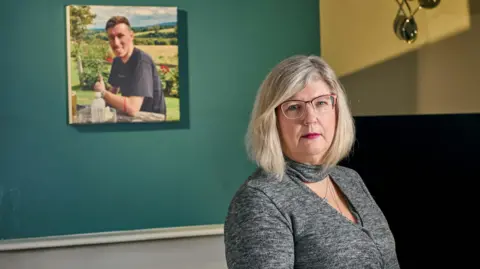
Caroline Mousdale and her son Bradley Coombes, who died of bowel cancer aged 23
Eleven cancers are becoming more common in young people in England, a major analysis shows.
A full explanation for why levels of cancer are increasing remains elusive.
But the study reveals that a decades-long pattern of people becoming more overweight is likely to play some role, even though it is far from the whole story.
Scientists at the Institute of Cancer Research and Imperial College London stressed cancer in young people is still rare and that everyone can reduce their risk by living a healthy lifestyle.
Why cancer has been increasing in people's late teens, 20s, 30s and 40s has been puzzling scientists for years.
Take Bradley Coombes, from Portsmouth, who was just 23 when he died from bowel cancer. His mum Caroline Mousdale said that despite having many "red flag" symptoms of bowel cancer, her son was often dismissed as being too young to have the disease.
She said he was "a really fit and healthy young man" about to sign a semi-professional football deal and was loving life. There was nothing that obviously put him at risk, she says.
But after his first year at university he was losing a lot of weight and having pain in his abdomen. Then came diarrhoea and blood in his stools.
 Caroline Mousdale
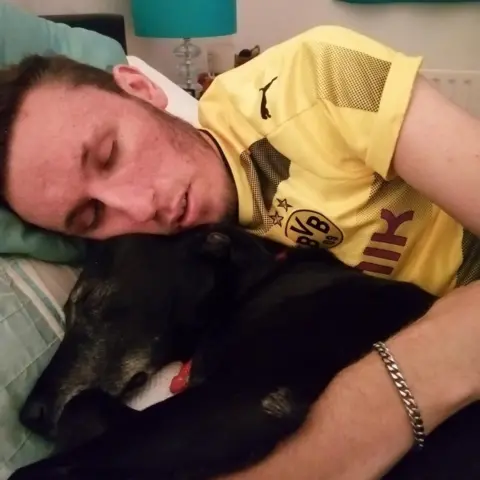
Bradley, with his loyal dog Buster
It took 18 months of symptoms to get diagnosed. By the time he had a video examination of his bowels – called a colonoscopy – the cancer was so large it blocked the camera from getting in.
Surgery and chemotherapy could not stop his tumour and Bradley died with his dog Buster by his side.
"I really felt, like every parent, that he would have conquered his football dreams, he would have just had a fantastic life and that's been taken away from him, because early onset bowel cancer hadn't been identified," says Caroline.
 John Angerson
Caroline Mousdale wants to know why her young son - and other young adults - are dying from cancer
It is rare to ever know why one person develops cancer. But a team of scientists worked through national trends in both cancer and our lifestyles to see if they could find a pattern.
They showed that as well as bowel cancer; thyroid, multiple myeloma, liver, kidney, gallbladder, pancreatic, womb lining (or endometrial), mouth breast and ovarian cancers were increasing.
- Bowel and breast cancers are the most common in younger adults, with a combined 11,500 cases a year, while pancreatic and gall bladders are much rarer.
- Only bowel and ovarian cancers were increasing exclusively in the young, with the other nine increasing in older adults too.
The study, by The Institute of Cancer Research and Imperial College London, also analysed patterns in behaviours already known to increase the risk of cancer.
But it showed smoking levels, alcohol consumption, levels of physical exercise, the amount of red and processed meat and the number of diets low in fibre were all either getting better or staying the same.
These behaviours all have a role in cancer, but don't explain why cancer has increased.
The report said the only data that aligned with the increase in cancer was levels of overweight and obesity, which has been on the rise since the 1990s.
Extra fat tissue is thought to alter hormones in the body, such as insulin, which can affect the risk of cancer.
However, even this is an imperfect answer.
For instance in bowel cancer, the researchers estimate that for every 100 extra cases, 20 may be due to excess weight while 80 are still unexplained.
The researchers say it's important to prevent all cancers, not just the "extra" ones. It is estimated that nearly 40% of cancers worldwide can be prevented with lifestyle choices like not smoking.
"It is very worrisome to hear the news that cancers are increasing in young people," Prof Montserrat García Closas, from The Institute of Cancer Research, told the BBC.
"However, there are things that can be done to reduce the risk of cancer by having a healthy lifestyle - for instance, being physically active and maintaining a healthy weight."
The researchers also said that while cancers in young people were increasing, it was important to remember they were still dwarfed by cancers in older age groups.
One in 1,000 young people (aged in their 20s, 30s and 40s) get a cancer diagnosis each year compared to around one in 100 for older age groups (in their 50s, 60s and 70s), they said.
The search for other risk factor continues. Prof Marc Gunter from Imperial College London said there was discussion about ultra-processed foods, forever chemical (or PFAS) and antibiotic use, but said there's "a lot we don't know".
Sweetened drinks, inflammation, air pollution, gut bacteria and weedkillers have all been suggested.
It is also being investigated whether getting better at detecting cancers is leading to more being diagnosed at a younger age.





 English (US) ·